


You don’t have to fall apart to wonder if there’s another way to live.
Maybe nothing dramatic happened. No lost job, no broken relationships, no emergency. But somewhere along the way, something started to feel… off.
You’ve noticed how much you look forward to that first drink. Or how often you think, I need this just to get through the day. Or maybe you’re just tired—tired of relying on something that used to be fun or social, and now just feels necessary.
That curiosity—the one asking, What if I tried living without this?—is powerful. But it’s also complicated.
What would life look like without alcohol or substances? Would you still be you? Would you be bored? Alone? Less creative, less social, less alive?
These are real questions. And you deserve real support in answering them.
At Garden State Counseling Center, our Residential Treatment Program in Paramus, New Jersey is designed not just for people in crisis—but for people who are curious, open, and brave enough to explore a life with less numbing and more meaning.
You Don’t Need a Label to Need a Change
There’s a misconception that treatment is only for people who’ve hit rock bottom. That unless your life is visibly falling apart, you’re not “bad enough” to get help.
But recovery doesn’t belong to any one story.
Maybe you’re drinking more than you’d like, but still showing up to work. Maybe you’re using occasionally but starting to feel uneasy about it. Maybe you’re not even sure what you are—just that you want something more aligned with how you want to feel.
You don’t need a diagnosis to deserve support. You just need a question you’re willing to ask. Treatment can be where you find your answer.
Residential Treatment Offers the Pause You Haven’t Had
In everyday life, it’s hard to get perspective.
Between work, relationships, responsibilities, and routine, most of us are stuck in cycles that don’t leave room for reflection. Substances can become part of that cycle—habitual, automatic, even invisible.
Residential treatment offers a reset. It gives you space to:
- Step outside of your usual environment
- Reflect without judgment or distraction
- Actually hear your own thoughts
- Get honest about what’s working—and what’s not
It’s not about being cut off from the world. It’s about finally having time to listen to yourself, without the background noise.
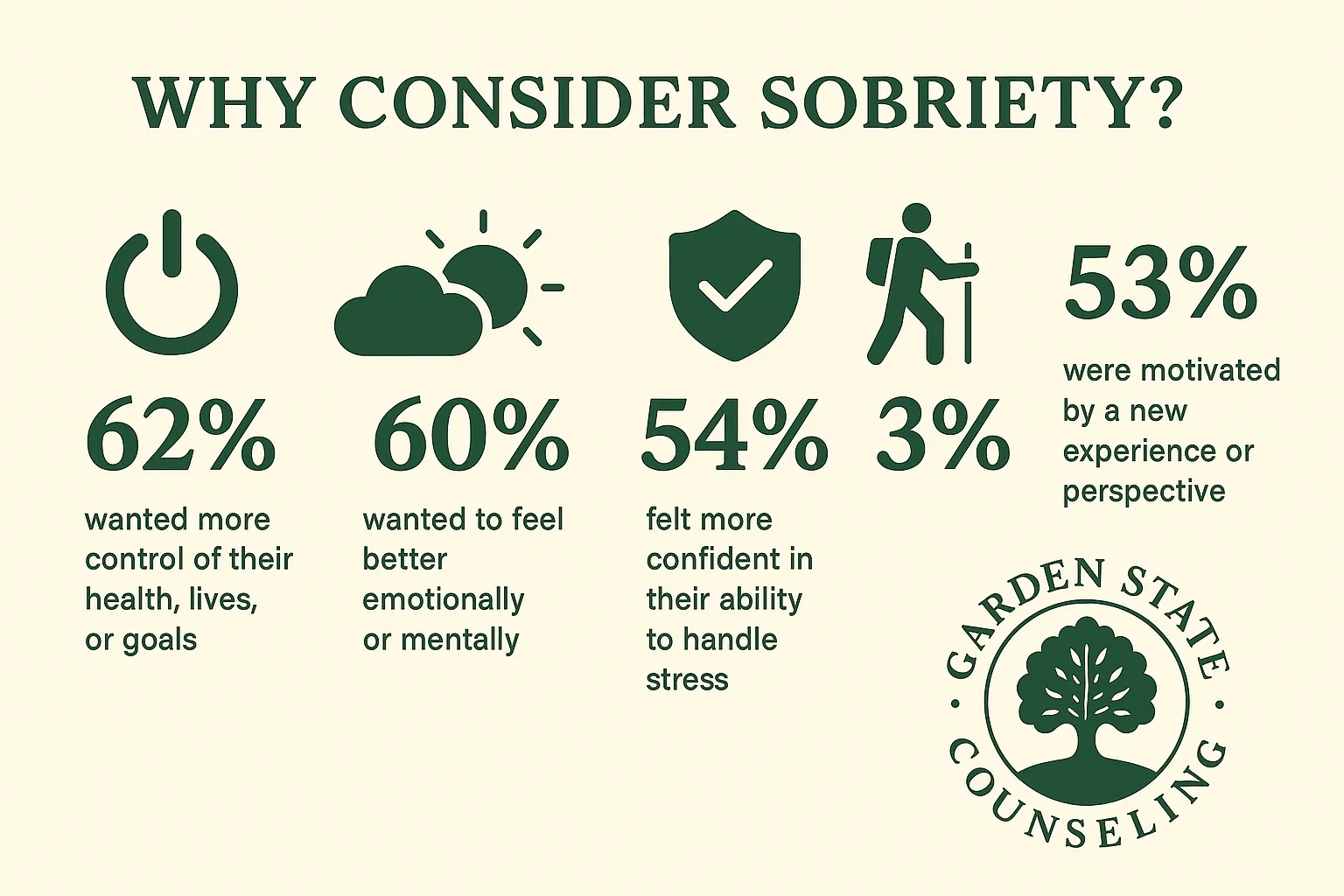
You’ll Be Surprised What Confidence Looks Like in Sobriety
Confidence in sobriety doesn’t start with declarations or promises. It starts with clarity.
It starts with moments where you realize:
- You made it through a hard conversation without numbing
- You woke up rested—not foggy
- You connected with someone, and remembered all of it
- You didn’t need a drink to dance, speak up, or calm down
These wins are small, personal, and deeply empowering. Residential treatment helps you notice them, practice them, and string them together into real belief: I can do this.
Emotional Resilience Replaces Emotional Avoidance
If substances have been your go-to for anxiety, sadness, boredom, or overstimulation, the idea of facing life sober can feel overwhelming.
But in residential care, you don’t just white-knuckle it through the feelings.
You learn to work with them:
- How to sit with discomfort without numbing
- How to manage anxiety before it snowballs
- How to feel sadness without disappearing into it
- How to enjoy joy without fearing the crash
You’re not left to figure it out alone. Therapists, peers, and supportive structure walk with you through the learning curve—until those emotions feel less like threats and more like signals.
You’ll Meet People Who Are Figuring It Out, Too
One of the most powerful surprises in treatment?
You’re not the only one who didn’t think they “needed” it.
You’ll meet people who:
- Held jobs, families, and friendships—and still struggled privately
- Didn’t feel like “addicts,” but felt disconnected
- Wanted to explore sobriety—not because they had to, but because they wanted to feel more
These are the conversations that matter. The ones where you feel less alone. Less ashamed. More willing to keep exploring.
Recovery isn’t a finish line. It’s a shared question. And residential treatment gives you community while you’re asking it.
You Leave With Real-Life Skills, Not Just Good Intentions
A big fear for many sober-curious people is: What happens when I leave?
What happens when you go back to birthday parties, friend groups, bad days, lonely nights?
We think about that too. That’s why our Residential Treatment Program in White Plains, NY includes:
- Personalized aftercare plans to keep your momentum
- Relapse prevention strategies that work in real life
- Therapy referrals and outpatient options for continued growth
- Communication tools to navigate relationships and boundaries
We don’t just help you feel better in treatment. We prepare you for life after it—with tools, language, and a clear path forward.
You Can Be Sober—and Still Be You
Many people worry that sobriety will make them flat. Boring. Less creative. Less social. Less them.
But more often than not, sobriety becomes the thing that unlocks who they’ve always been.
In treatment, we see it all the time:
- The introvert who realizes they actually like people—they just needed better boundaries
- The artist who discovers inspiration flows better when their mind is clear
- The person who thought they were shy, but turns out to be deeply funny when they’re not overthinking everything
You don’t lose yourself. You find yourself with fewer filters.
FAQs: Residential Treatment for the Sober Curious
Q: Do I have to call myself an “addict” to enter treatment?
Not at all. Many of our clients don’t use that word to describe themselves. You don’t need to fit a label to deserve support. Curiosity and willingness are enough.
Q: What if I’m not sure I want to stay sober forever?
That’s okay. Residential treatment is a place to explore—not to be pressured. We help you figure out what feels right for you, whether that’s sobriety, moderation, or something else.
Q: Is it weird to enter treatment if I’m still high-functioning?
Not at all. “Functioning” and “fulfilling” are not the same. Many clients appear successful on the outside but feel stuck, overwhelmed, or numb inside. That’s valid—and worth caring for.
Q: Will I be the only sober-curious person there?
No. Our programs serve a wide range of people, including those who are exploring sobriety without a crisis or formal diagnosis. You’ll meet others on similar paths.
Q: What if I’m scared to tell people I’m going to treatment?
That’s normal. We’ll help you think through how to communicate your decision, or not—whatever feels safest for you. Your choice to seek support doesn’t need to be justified to anyone.
Q: How long is the program?
Programs are typically several weeks, depending on your needs. We’ll work with you to build a plan that’s both meaningful and manageable for your life.
You Don’t Have to Be Sure. You Just Have to Be Curious.
If you’ve read this far, something in you is already reaching. That’s not weakness—it’s wisdom.
You don’t need to know all the answers. You don’t have to commit to forever. You just have to care enough about how you feel now to ask: Could there be something more?
At Garden State Counseling Center, our job isn’t to push you into a decision. It’s to support you while you make one.
Ready to See What’s Possible?
You don’t have to hit rock bottom to reach for something better. If you’re curious about life without drugs or alcohol, we’re here to help you explore—without pressure. Call (201) 632 5716 or visit our Residential Treatment Program page to learn how Garden State Counseling Center supports real, lasting change in Paramus, New Jersey.