


It doesn’t always look like a crisis. Sometimes it’s just a quiet thought: something isn’t working anymore.
If you’ve found yourself wondering whether you need more support—even if you’re not sure it’s “bad enough”—you’re not alone. Many people explore options like residential treatment programs long before they have clear answers.
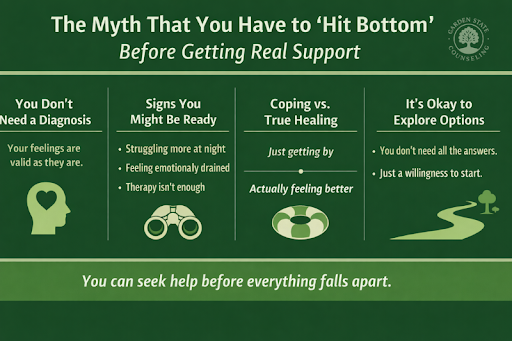
You Don’t Need a Label to Take Your Feelings Seriously
There’s a common belief that you need a diagnosis—or a dramatic moment—to justify getting help.
That’s not true.
Feeling overwhelmed, stuck, emotionally flat, or scared of your own thoughts is enough. You don’t have to prove anything to deserve support. Sometimes the most important signal is simply noticing that your current way of coping isn’t working anymore.
Subtle Signs You Might Be Ready for More Support
Not everyone who benefits from live-in treatment is in visible crisis. Often, the signs are quieter.
Signs you might be ready:
- You feel okay during the day, but nights are heavy or hard to manage
- You’re constantly second-guessing whether things are “serious enough”
- You’re exhausted from trying to hold everything together alone
- Your thoughts feel harder to control, even if you don’t act on them
- You’ve tried outpatient therapy, but something still feels unresolved
Sometimes people searching for answers—like those looking for help for suicidal teen NJ—aren’t sure what level of care is appropriate. That uncertainty itself is worth paying attention to.
The Difference Between “Coping” and Actually Feeling Better
A lot of people are coping. Fewer people feel steady.
Coping might look like getting through the day, distracting yourself, or pushing things aside. But if the same thoughts or emotions keep coming back—especially at night—it may be a sign that deeper, more consistent support could help.
Think of it this way: coping keeps you afloat. The right support helps you actually rest.
What Round-the-Clock Support Really Offers
There’s often hesitation around more structured care because people imagine something extreme or restrictive.
In reality, live-in treatment is designed to create space.
Space to:
- Step away from daily pressures
- Have consistent emotional and clinical support
- Build stability without needing to “hold it all together”
- Understand what’s really going on beneath the surface
It’s not about labeling you. It’s about giving you room to breathe and figure things out safely.
If You’re Not Sure, That’s Actually a Starting Point
You don’t need certainty to take a next step.
In fact, many people begin exploring care options while still asking:
- “Is this really necessary?”
- “Am I overreacting?”
- “What if I’m fine?”
Those questions don’t disqualify you—they often point toward the need for more clarity and support.
You Can Explore Options Without Committing to Everything
Reaching out doesn’t lock you into anything.
It opens a conversation.
Whether you’re exploring care for yourself or worried about someone you love, having a professional perspective can help you understand what level of support actually fits.
If you’re looking for compassionate, grounded guidance, there are options for support in New Jersey that meet you where you are—without pressure.
A Quiet Truth Worth Remembering
You don’t have to wait until things fall apart to deserve help.
Sometimes the strongest decision is recognizing that something feels off—and choosing not to ignore it.
If you’re starting to wonder whether more support could help, you don’t have to figure it out alone. Call (201) 632 5716 or visit our residential treatment program services in Paramus, New Jersey to learn more about your options.